
Materials Knowledge
Brass or Sterling Silver?
5 min read
Materials Science Division
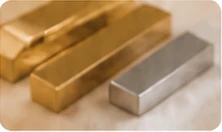
When planning a new commercial collection, deciding between lead-free eco brass and 925 sterling silver involves balancing price point, weight feel, hypoallergenic certification, and brand positioning.
Material Comparison Matrix
| Feature | Lead-Free Eco Brass (H65/H68) | 925 Sterling Silver (Ag 92.5%) |
|---|---|---|
| Base Metal Cost | Economical, optimal for fashion lines | Precious metal value, demi-fine tier |
| Casting Fluidity | Excellent for bold geometric shapes | Superb detail fidelity for intricate filigree |
| Density & Feel | 8.5 g/cm³ (substantial luxury weight) | 10.36 g/cm³ (heavy, refined tactile hand) |
| Allergy Compliance | EU REACH & CA Prop 65 lead/cadmium free | Naturally nickel-free & hypoallergenic |
| Plating Adhesion | Thick copper/palladium strike required | Direct gold or rhodium bonding |
When to Select Eco Brass
Eco brass is the preferred substrate for chunky statement earrings, sculptural cuffs, and oversized link chains where precious metal weight would result in unviable retail price points.
When to Select 925 Sterling Silver
For fine fashion, bridal accessories, and sensitive-skin everyday essentials, 925 silver is standard. It carries consumer-recognized hallmark stamps (S925) and higher perceived investment value.
Related Articles
Materials Knowledge
Stainless Steel 316L vs. 304 in Waterproof Jewelry
Oct 10, 2026